Product Description
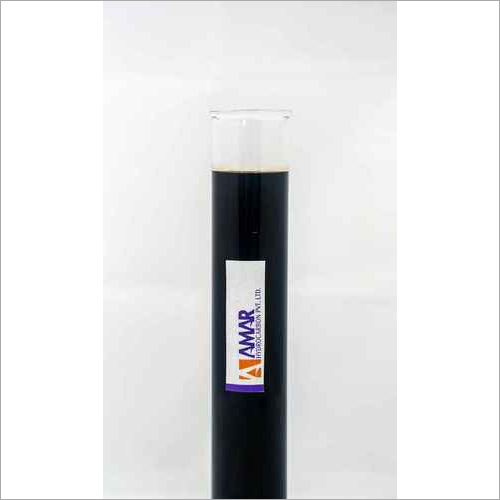
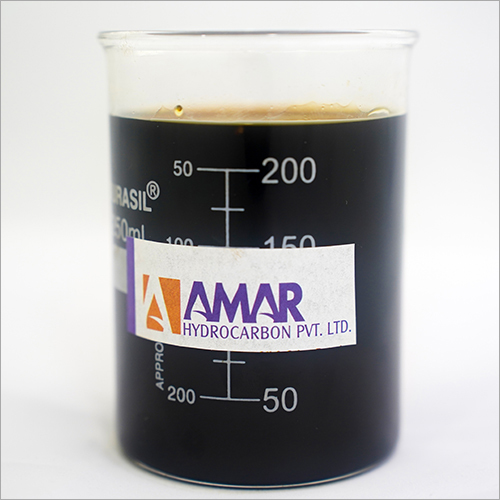
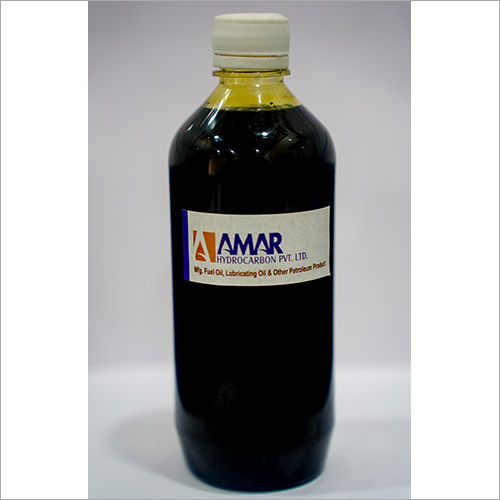
Our firm is renowned in this domain as a prime manufacturer and supplier of high qualityFuel Oil. This oil is obtained by our professionals by distilling the petroleum using latest methodologies. Our quality controllers test this range of oil on various quality parameters ensuring best grade product delivery to our clients. TheFuel Oilfinds utility in small electrical generators, power plants and automobiles.
Features:
- Supreme heating capacity
- High viscosity
- Heaviest commercial fuel
Further Details:
It is often used as a backup fuel forpeaking power plantsin case the supply of natural gas is interrupted or as the main fuel for smallelectrical generators. In Europe, the use of diesel is generally restricted to cars (about 40%), SUVs (about 90%), and trucks and buses (virtually all). The market for home heating using fuel oil, called heating oil, has decreased due to the widespread penetration ofnatural gas. However, it is very common in some areas, such as theNortheastern
- Fuel oils are used as energy-generating fuels in industry and for power units.
- Heating oil, also called Industrial fuel oil, is used in & boilers & furnace for generating heat energy or for industrial heating, and for producing electricity in power plants.
- Fuel oil, also called furnace oil, fuel consisting mainly of residue from crude oil distillation.
- It is used primarily for steam boilers in power plants, aboard ships, and in industrial plants.
- Industrial fuel oil is usually blended with other petroleum fractions to produce the desired viscosity and flash point.
- It is suitable for Road Constructions, Hot-max Plants, Bath-mix Plants, Industrial Boilers, Burners & Boilers.
Versatile Industrial ApplicationsIndustrial Fuel Oil is engineered for multiple sectors, supporting activities such as road construction, bathmix plants, and industrial boilers. Its consistent density and low ash content make it ideal for demanding operational settings where performance and efficiency are crucial.
Reliable Quality and PackagingOur fuel oil is delivered in both tankers and barrels for convenience and safety. With strict control on water content and ash levels, the product safeguards equipment longevity and ensures optimal combustion with a distinct odour indicative of its purity.
FAQs of Industrial Fuel Oil:
Q: How is Industrial Fuel Oil used in road construction and hotmix plants?
A: Industrial Fuel Oil is utilized in road construction and hotmix plants primarily for heating aggregates and asphalt mixtures. Its stable calorific value and consistent quality ensure uniform heat transfer, leading to high-quality road surfaces.
Q: What are the benefits of choosing fuel oil with density between 0.880 and 0.920 g/mL?
A: A density of 0.8800.920 g/mL enables predictable combustion behavior, providing efficient energy release with controlled emissions. This range offers optimal power output for burners, boilers, and industrial furnaces.
Q: When should industrial users opt for fuel oil in tankers versus barrels?
A: Tankers are recommended for large-scale, continuous operations such as boiler plants or hotmix facilities requiring substantial fuel volumes. Barrels suit smaller batches or locations with limited storage capacity, offering flexibility for varied consumption rates.
Q: Where is this Industrial Fuel Oil manufactured and supplied?
A: This type of fuel oil is imported, manufactured, and distributed by trusted suppliers and traders across India, ensuring quick availability and support for diverse regional industrial needs.
Q: What process ensures water content remains below 0.5% in the fuel oil?
A: Advanced refining and quality control methods are implemented to minimize water content, achieving less than 0.5% by volume. This guarantees safe storage, smooth combustion, and protects sensitive industrial equipment from corrosion.
Q: How does low ash content (<2%) benefit burners, boilers, and furnaces?
A: Ash content below 2% leads to cleaner burning, reducing residue buildup on internal surfaces. This extends the life of combustion systems, decreases maintenance intervals, and enhances operational efficiency.
 Ahmedabad - 390022, Gujarat, India
 Mon-Sat 9.00 AM - 6.00 PM








 Send Inquiry
 Send Inquiry
 Send SMS